 Shruti Kaushik
A free audience report can start sales conversations when it answers a narrow buyer question with real evidence. Use Klype to organise the brief and explain the findings, then deliver the resource before proposing deeper paid work.
A bounded report outline, delivery message and clear boundary between free insight and paid research.
- One buyer decision
- Checked public material or authorised research notes
- A specific paid follow-on service
Why this gets difficult
Free value often fails because it is too generic to matter or too expensive to produce. A repeatable format protects your time while leaving room for a genuinely relevant observation.
Calling a document “research” raises the standard of proof. If the asset contains assumptions, they need to be visible. Polished wording cannot compensate for an unclear sample or a conclusion that goes beyond it.
A practical example to adapt
Get a free growth audit showing exactly why your business is losing customers.
Get a short review of the delivery questions a new subscription customer may need answered. It covers public page information, not private analytics or a conversion diagnosis.
The improved promise explains the evidence boundary. It gives the recipient something useful without pretending that a public review reveals private commercial performance.
Follow the workflow, screen by screen
Use these screens as a map, then apply the example to your own workspace. Each step explains what to look for, not just which page to open.
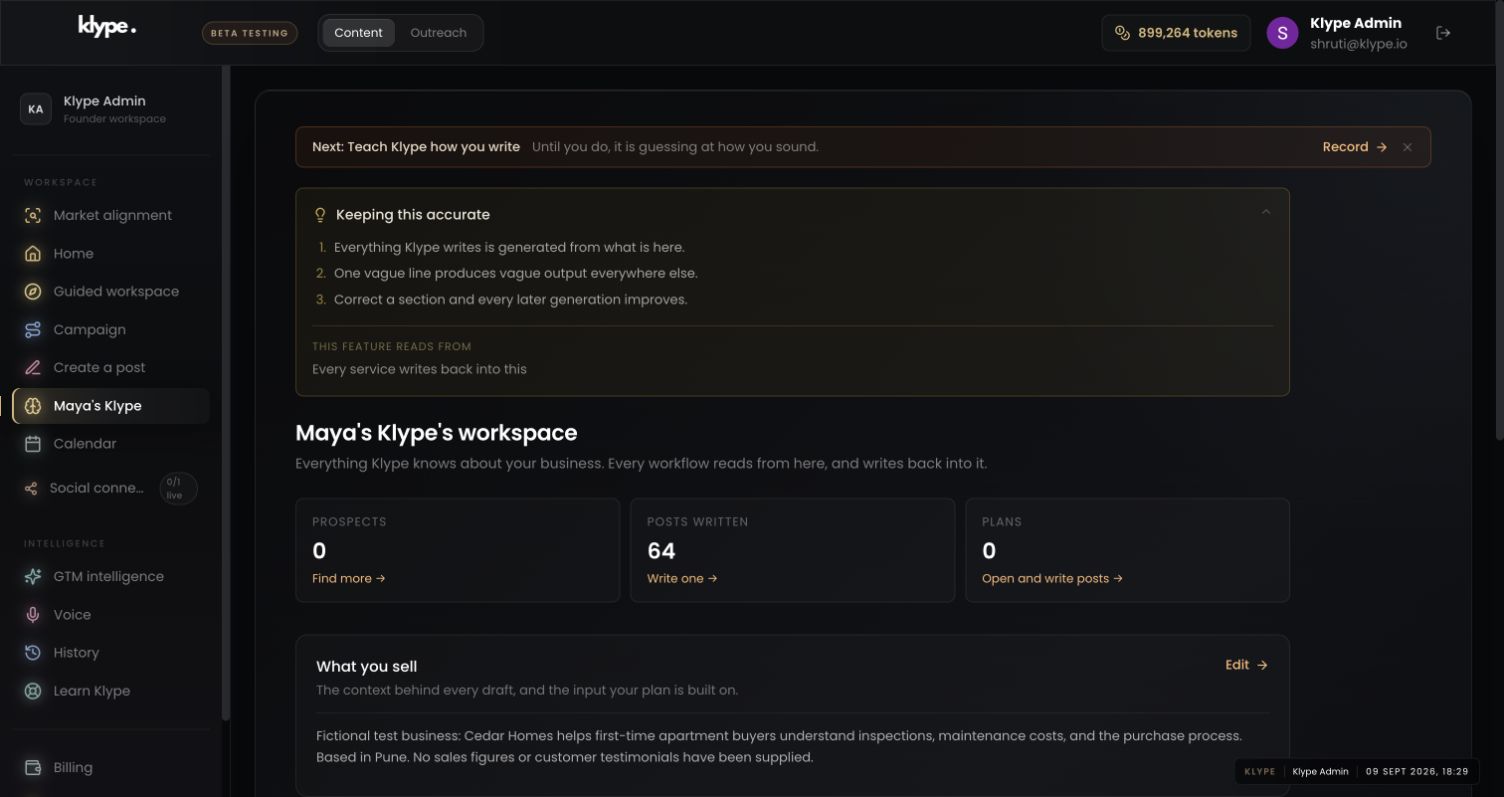
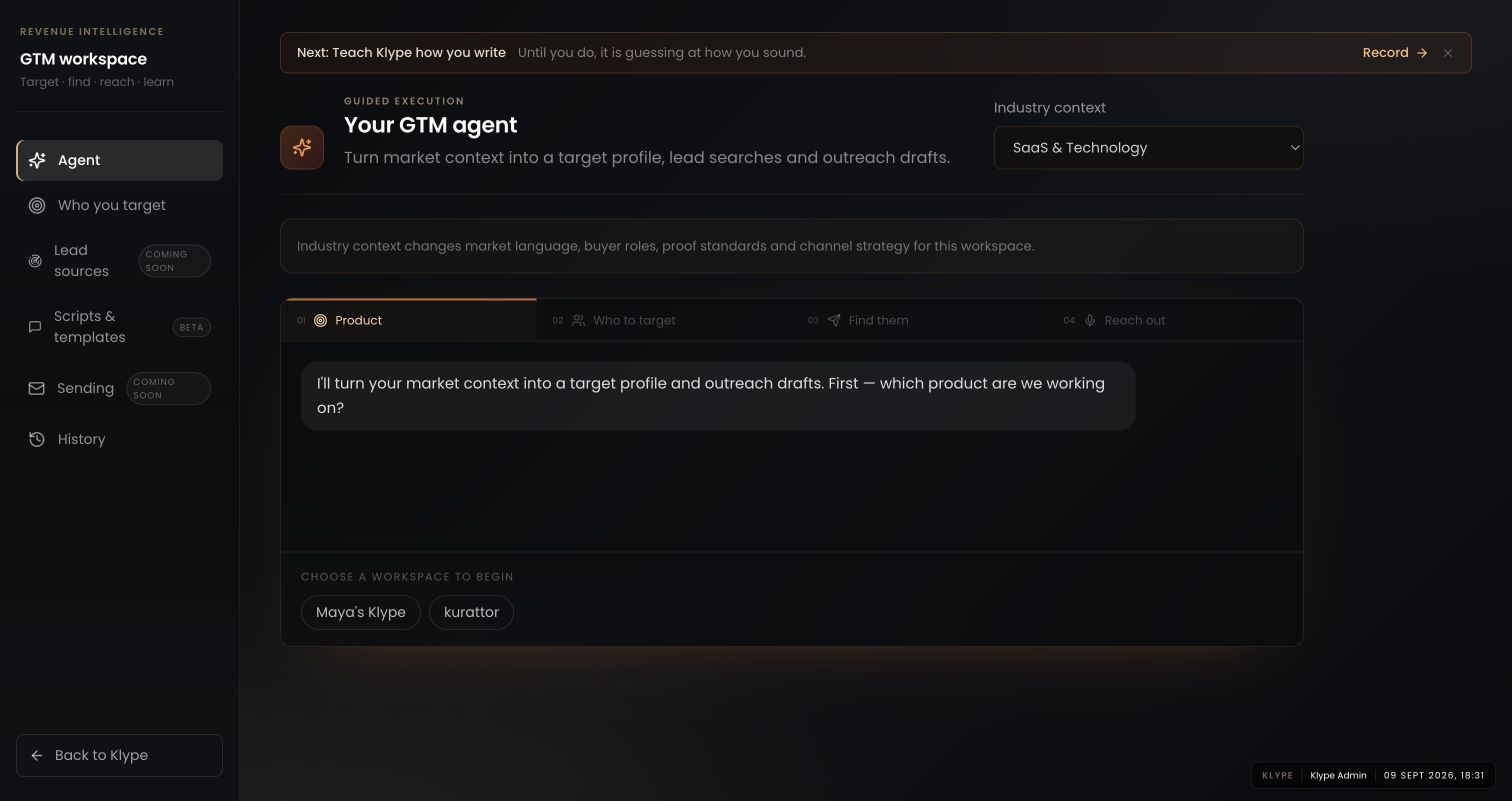
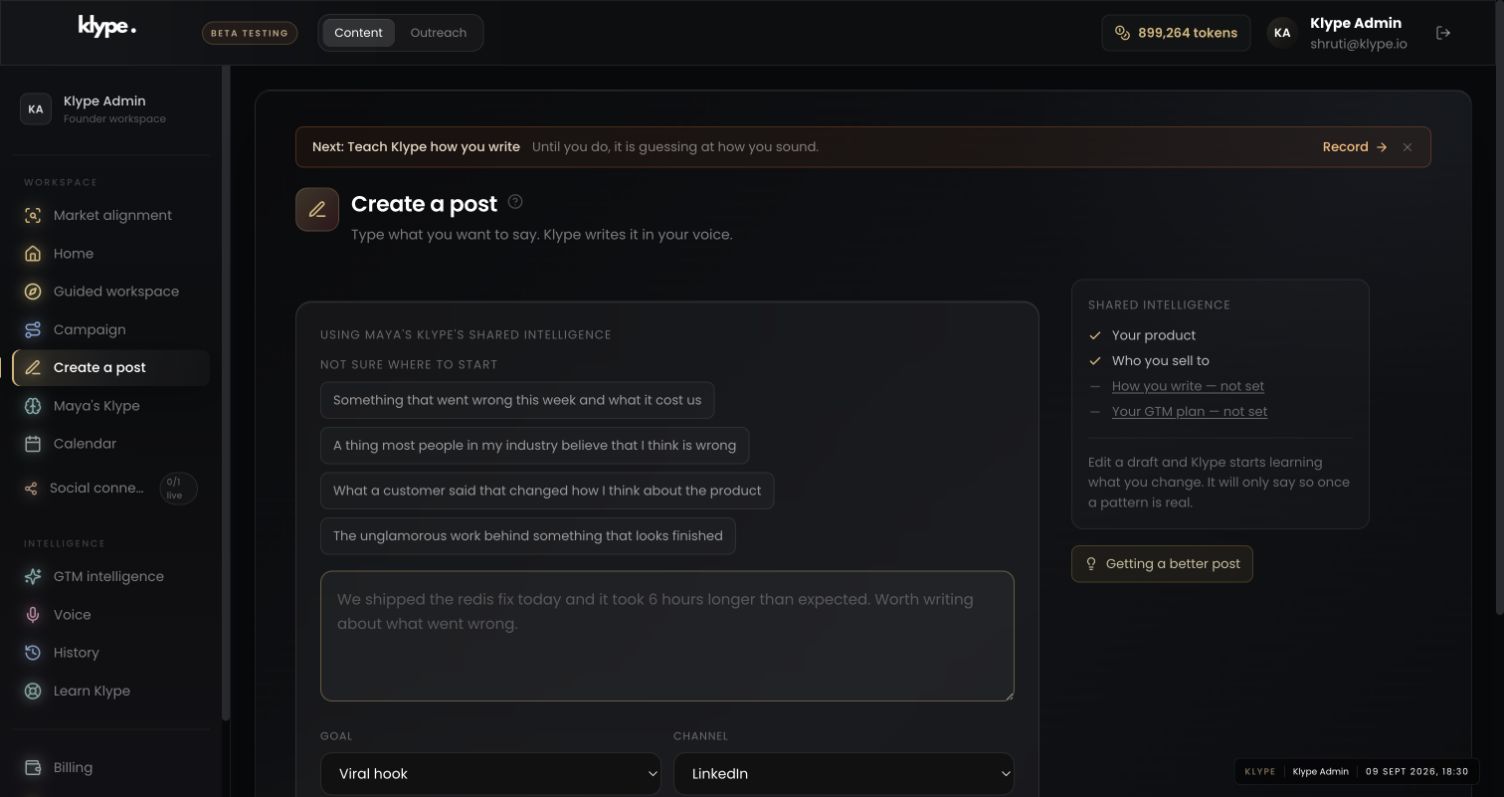
Real product captures from 9 September 2026, using the fictional Maya / Cedar Homes test workspace. These show the interface, not the article’s example being generated. The admin balance is not a plan allowance. Select a screenshot to inspect the full image, including the sidebar.
01Check the business context
Describe the paid service and its limits in the workspace so the free resource does not imply a larger delivery promise.
02Connect the idea to a plan
Use the GTM plan to decide which audience gets the report, how many you can deliver and what a useful reply would look like.
03Give the draft one clear job
Draft a post that explains one observation and offers the report. Keep the report itself in an accessible document you have reviewed.
Create an outline for a one-page audience report: question, reviewed material, three observations, limitations and one test. Use only these notes: [notes]. Mark unverified implications as hypotheses. End with the unanswered question a paid research sprint could address.
Replace these example details with your own facts. This is a starting point, not a promise of a particular output.
Promise one answer, not a complete strategy
A free report needs a clear edge. “Everything your brand needs to grow” creates an impossible expectation and an expensive delivery obligation. “Three questions a first-time customer may have about your subscription page” is bounded. Choose a decision that matters to your buyer and can be explored using material you can legitimately inspect. State the scope before collecting information: one category, one page or one audience question. Make the paid service broader or deeper, not merely the same document with a price attached. A useful free resource demonstrates judgement; it does not need to complete an entire engagement.
Use a repeatable five-part report structure
A practical report contains the question, the material reviewed, the observations, the implications and one next test. Include source links and dates beside the observations. If you reviewed ten pages, say ten pages; if you have no customer interviews, say so. Keep recommendations separate from findings. An observation might be that delivery timing is not stated on a page you inspected. The implication might be that shoppers have to look elsewhere for it. Whether this affects conversion is still a hypothesis. Klype can help draft the explanation from your notes, but you must check that each statement remains within the evidence.
Make the resource readable without a sales call
Deliver a short web page or accessible document with descriptive headings and a summary at the top. Avoid requiring a meeting just to understand your conclusion. Screenshots can clarify a point when you have permission to use them and do not expose private information. Annotate what the reader should notice. Do not include a decorative image of a dashboard as proof of research. The useful test is whether someone can identify the recommended next action in two minutes. If they need you to explain every paragraph, simplify the report before promoting it. A clear resource makes the later conversation more specific.
Connect the free report to the paid offer honestly
Explain what the short report cannot answer. A public-page review cannot tell you why a particular customer abandoned checkout or what a representative segment will pay. A paid research sprint might add interviews, a defined sample and a tested messaging recommendation. Say exactly which unanswered question that work addresses. Do not make the free asset intentionally incomplete in a way that hides its main finding. Give the promised value, then offer deeper work only when it fits. Buyers should understand the difference between a preliminary observation and a paid research method before they decide to continue.
Write the invitation and delivery message separately
Before delivery, ask whether the topic is relevant: “I put together a short review of how subscription offers explain delivery intervals. Would you like the checklist?” After a yes, send the resource with one sentence about its scope and one question about their situation. Avoid a calendar link, a long biography and three attachments in the same message. If the recipient asks for help, describe the next step and price or scope as appropriate. A follow-up should add clarification or answer a question, not simply repeat “bumping this.” Stop when someone declines and respect applicable channel and marketing rules.
Track the cost of the free work
Record research, drafting, review and delivery time per report. A free offer that takes four hours for every unqualified recipient may be unsustainable. Start with one reusable category report, then personalise only the section that makes it relevant to a business. Keep a limit on the number of bespoke reports you accept in a week. Count requested reports, delivered reports, relevant replies and paid follow-ups separately. If recipients find the report useful but never have the problem you sell against, change the audience or topic before producing more. The report is a test of relevance, not an obligation to provide unlimited consulting.
Try it with your own work
Write a report using one source set. Ask a colleague to distinguish findings from recommendations without your explanation. If they cannot, add clearer labels and move uncertain claims into a separate section.
Time the delivery process from research to final review. Decide how many reports you can offer without delaying paid work. Replace a vague “free audit” button with the exact question and scope of the resource.
When the result needs work
Check current feature availability and checkout terms in the app.
Common questions
Must the report be gated?
No. An ungated resource can demonstrate the work immediately. If you collect email addresses, explain their use and keep optional marketing consent separate.
Can Klype invent a sample report for promotion?
Use clearly labelled fictional examples for demonstration. Do not present invented research as work conducted on real customers.