 Shruti Kaushik
Write about the decisions your buyer needs to make, using language they would use. Peer-focused content often assumes specialist knowledge; buyer-focused content explains the consequence, the choice and the next question. Post text alone cannot prove who saw or engaged with it, so treat audience fit as a hypothesis to test.
A buyer-facing explanation and a modest way to check whether it starts the right conversations.
- A buyer decision, not just a job title
- One practical explanation
- Observed replies kept separate from inferred intent
Why this gets difficult
Professional peers understand the shorthand of your field. Buyers often do not. A post that wins agreement from specialists may leave the person who needs your service unsure why the topic matters. That does not make peer content bad; it means the audience and purpose need to be deliberate.
Translate expertise into a decision. Instead of proving that you know a complex method, explain when someone would need it, what they should ask and what a simpler alternative can do. A reader should recognise their situation before being asked to recognise your authority.
Translate specialist commentary into buyer help
Your attribution architecture is broken. Teams need a more sophisticated multi-touch framework.
Before buying another reporting system, check whether your team can answer three basic questions about a new enquiry: where it came from, what the person asked and what happened next. If those details are missing, start there.
The rewritten example does not settle a technical debate. It gives a small-business buyer an accessible starting point. It also makes the boundary clear: a simple record is not a substitute for every reporting need, but it can expose a basic gap before a larger purchase.
Follow the workflow, screen by screen
Use these screens as a map, then apply the example to your own workspace. Each step explains what to look for, not just which page to open.
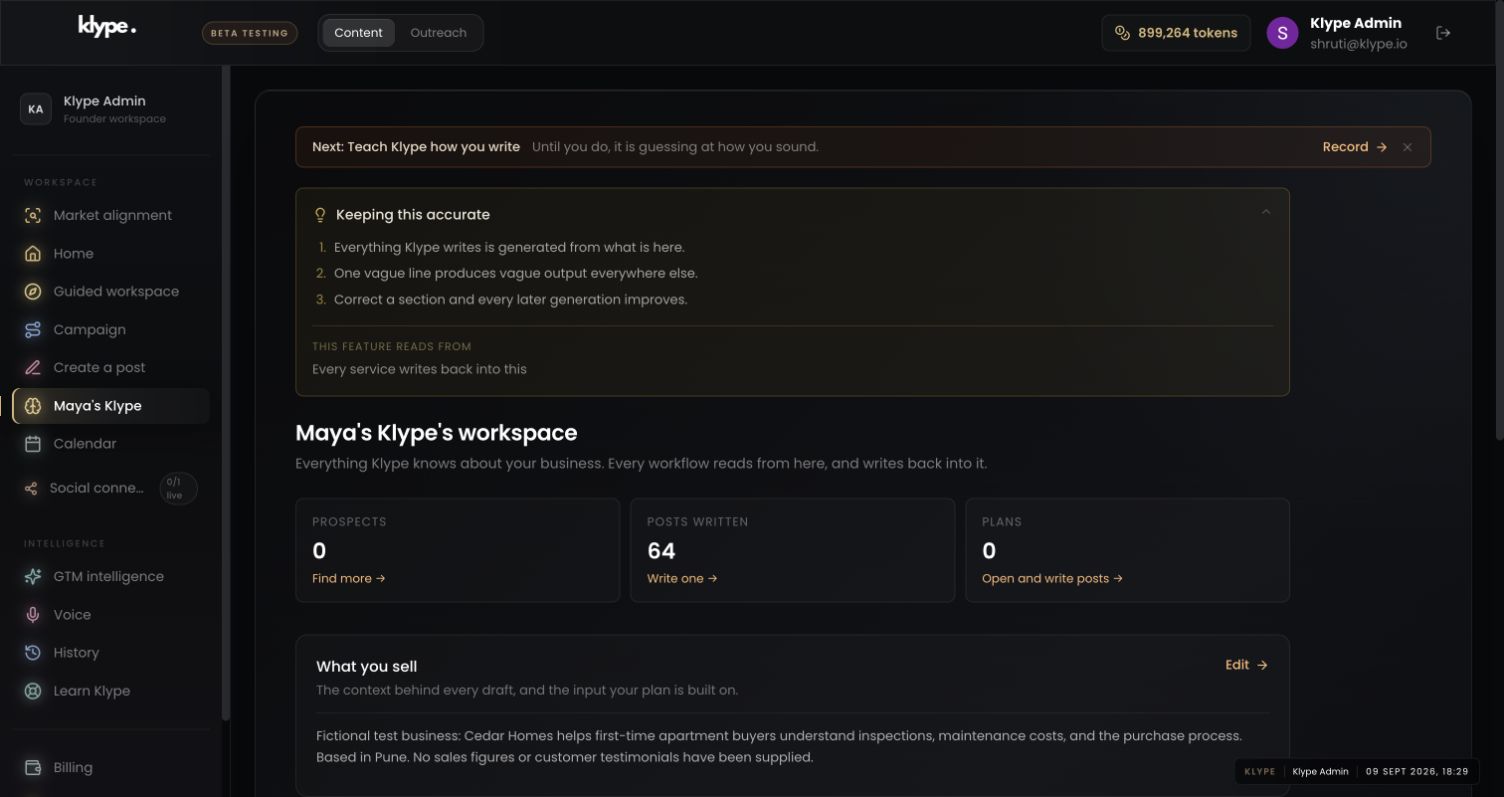
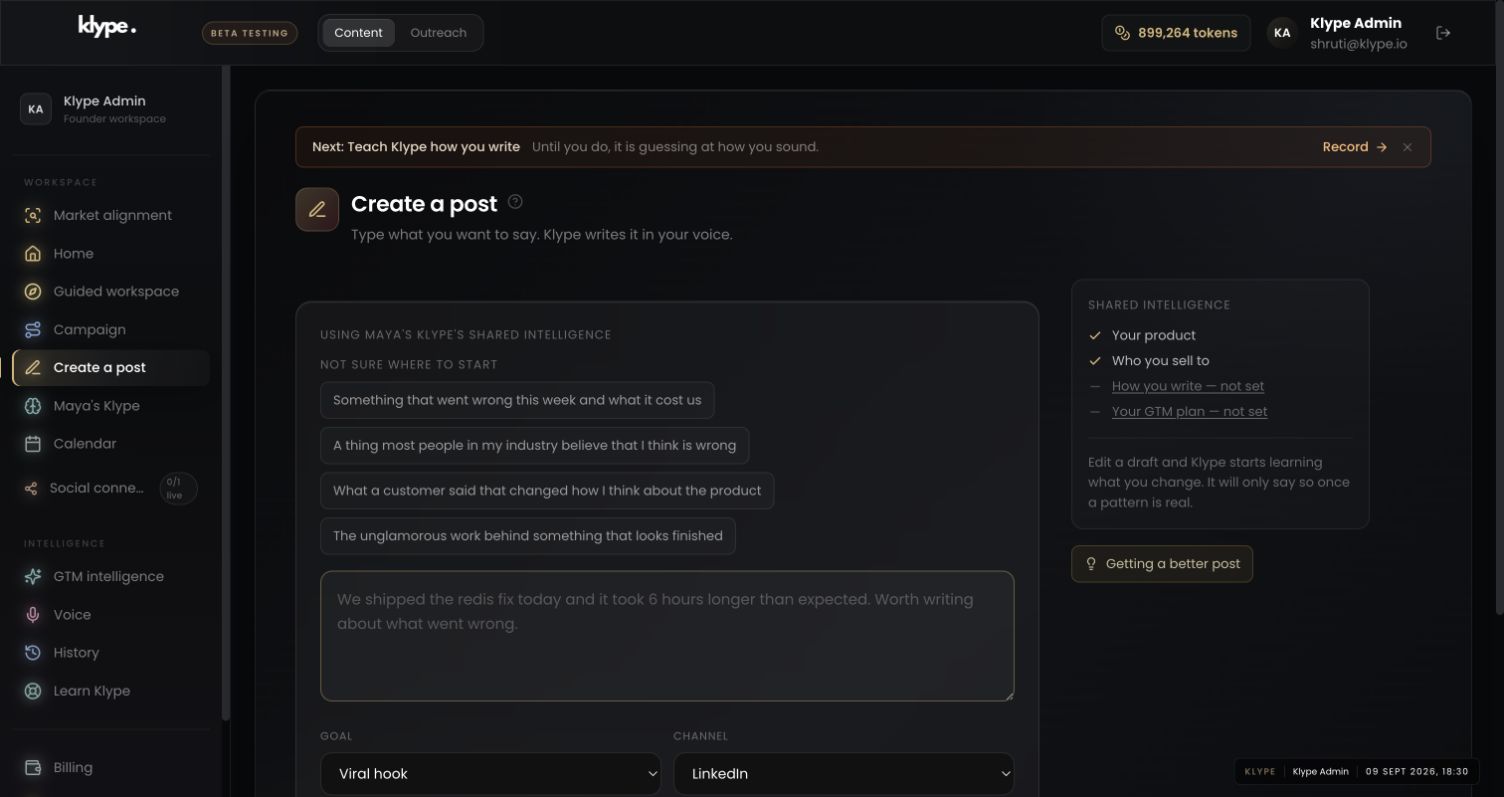
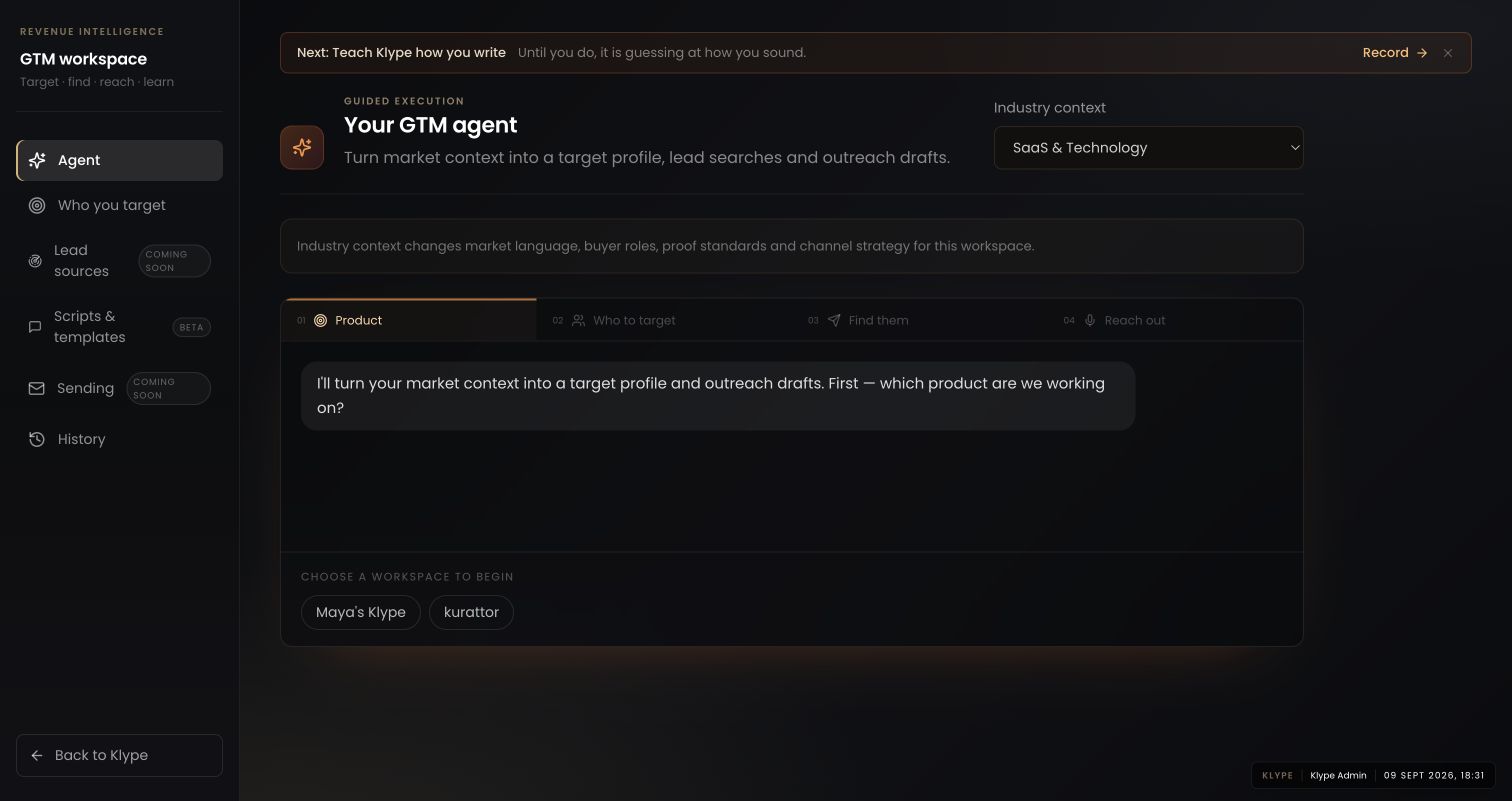
Real product captures from 9 September 2026, using the fictional Maya / Cedar Homes test workspace. These show the interface, not the article’s example being generated. The admin balance is not a plan allowance. Select a screenshot to inspect the full image, including the sidebar.
01Check the business context
Save an audience with a specific situation. A title such as founder is not enough to determine the question this post should answer.
02Give the draft one clear job
Put that decision into the brief and inspect the opening and ending for unexplained jargon.
03Connect the idea to a plan
Use the audience and planning context to choose a relevant route for sharing. This screen is not evidence of who viewed or liked a post.
Write for a small-business founder who is unsure whether to buy another reporting system. Explain the three enquiry questions: source, request and next action. Keep specialist terminology to a minimum. Do not claim a measured revenue improvement.
Replace these example details with your own facts. This is a starting point, not a promise of a particular output.
Name a buyer situation rather than a job title alone
‘Founders’ is a broad label. ‘A founder hiring a first marketing lead who is unsure what to delegate’ gives you a decision to address. Write down what the reader knows, what they do not know and what would help them move forward. Keep specialist terminology only when the explanation needs it.
Replace commentary with something the reader can use
Instead of ‘Attribution is broken’, explain which questions a small team can still answer from its enquiry records. Instead of celebrating a sophisticated process, show when a buyer would need it and when a simpler approach is enough. Specificity does not require invented statistics. A concrete checklist can be more useful than an unsupported performance claim.
Brief Klype with the reader's problem
Set the audience in the workspace and supply the decision in the post brief. For example: ‘Explain three questions a founder should answer before hiring their first marketing lead. Keep the language accessible and do not invent a case study.’ Review the draft for unexplained terms and a generic ending. The intended reader should recognise their situation before being asked to take action.
Check actual responses separately from the writing
Inspect who replies and what they ask, using information you are authorised to access. A comment from a peer can still be valuable, but it is not the same as a buyer enquiry. Track a few observations over time: relevant questions, profile visits where available and conversations that lead to a next step. Do not label someone a qualified lead based on a like alone.
Try it with your own work
Take a recent draft and highlight every term a first-time buyer might not understand. Explain the terms that matter and remove the ones that mainly signal expertise. Then add a sentence answering, “What does this change for the reader?” If you cannot answer that, choose a different angle.
After publishing, inspect the responses you can legitimately see. Record the actual question and why the person appears relevant, without treating a like as buying intent. If you only have text and no audience data, say the post appears aligned with a buyer problem; do not claim it proves who you are reaching.
When the result needs work
Paste a LinkedIn draft and the free checker scores it in your browser. Your text stays in your browser.
Check current feature availability and checkout terms in the app.
Common questions
Can an AI score tell me who my posts actually reach?
Not from text alone. Actual reach and engagement require audience or platform evidence. Text analysis can suggest alignment, not prove audience composition.
Should I stop writing for peers?
No. Choose the purpose deliberately. Peer discussion and buyer education serve different goals.